Vietnam Travel Tips: 20 Things First-Timers Must Know
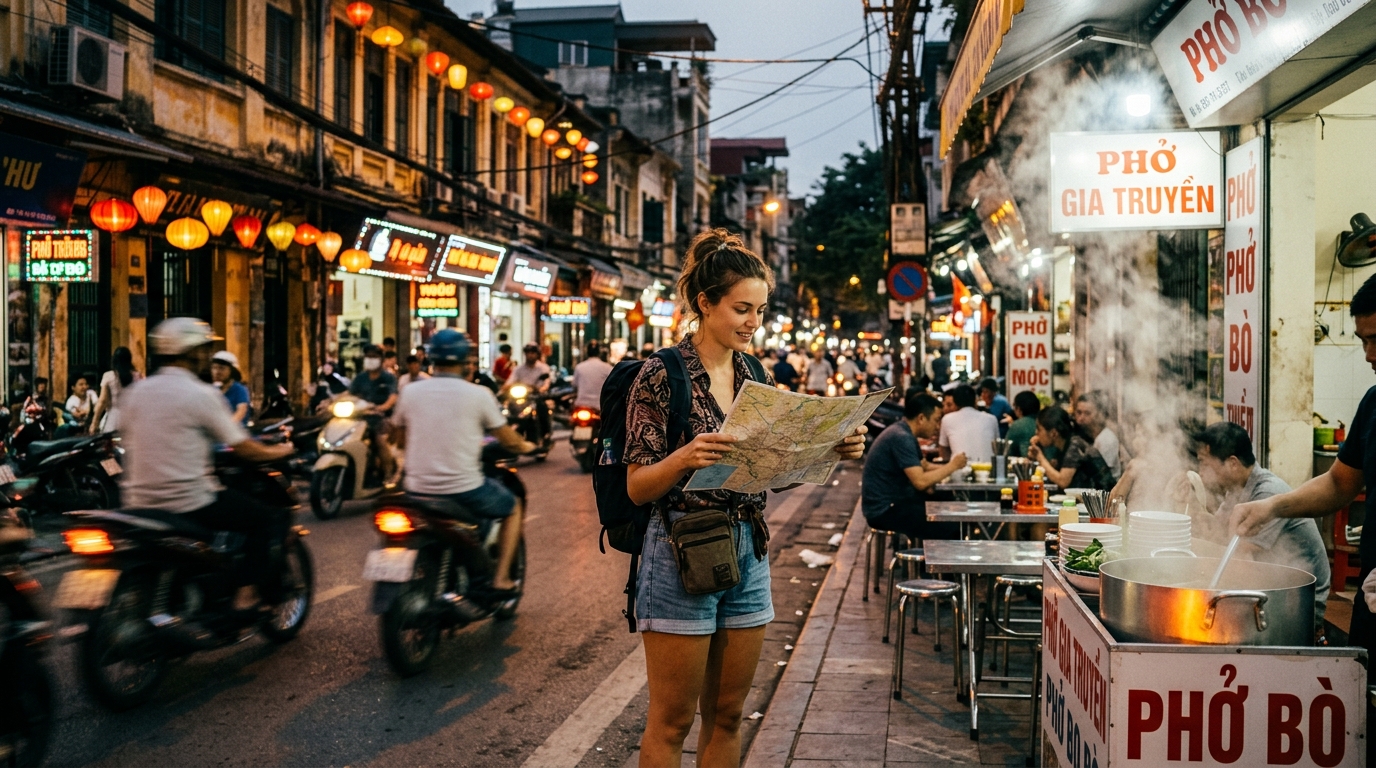
Vietnam rewards the prepared traveler and punishes the overconfident one, and the difference between a magical trip and a frustrating one often comes down to a handful of small decisions made before you ever board the plane. The country is safe, affordable, and welcoming, but it also runs on its own set of rhythms, etiquette, and practical quirks that no amount of generic Southeast Asia experience fully prepares you for. A weeklong visit can easily slip by in a blur of missed trains, overpriced taxis, and mistimed weather if you arrive without a plan. Conversely, a little homework transforms Vietnam into one of the most immersive, rewarding, and fun destinations in Asia. The single most important piece of advice for first-time travelers is to resist the urge to see the entire country in ten days. Vietnam is over 1,600 kilometers long, and attempting Hanoi, Halong, Hue, Hoi An, Saigon, and the Mekong Delta in a single trip leaves you exhausted and having genuinely experienced none of it.
Start with the visa and timing. Most nationalities now qualify for the Vietnam e-visa, which can be applied for online in about 10 minutes and is approved within three working days, though using the official government portal rather than the many copycat sites is essential to avoid overpaying. Climate varies dramatically by region and season: the north is cool and occasionally cold from November through March, the center can be battered by typhoons between September and November, and the south stays hot and humid year-round with a rainy season from May to October. The most reliable nationwide weather window is February through April, when almost every region is comfortably dry and warm. On arrival, expect the SIM card sellers at the airport to charge three times the street price—buy a Viettel or Mobifone tourist SIM at a 7-Eleven or convenience store instead for about $7. Download the Grab ride-hailing app before you land, enable WhatsApp or Telegram for contacting tour operators, and stash a screenshot of your hotel address in Vietnamese on your phone for showing to taxi drivers.
Money, transport, and safety tips deserve special attention. Vietnam runs largely on cash despite growing card acceptance, and the dong’s many zeros can be dizzying; 500,000 VND is roughly $20, not $50,000, and mixing up the blue 20,000 and blue 500,000 notes is one of the most common tourist mistakes. ATMs from major banks like Vietcombank and BIDV offer the best rates, while airport exchange booths offer the worst. For transport between cities, domestic flights with Vietnam Airlines or VietJet are reliable and cheap; for shorter hops, consider the reunification train or a reputable sleeper bus company like FUTA or The Sinh Tourist. Always book tours, transfers, and long-distance buses through your accommodation rather than random street agencies, as hotel owners’ reputations depend on your satisfaction. Crossing the street in Hanoi or Saigon is its own form of meditation: walk slowly, predictably, and steadily across the flood of motorbikes without stopping, and the traffic will part around you like water. Never, ever freeze mid-street.
Cultural etiquette and small behavioral adjustments make every interaction smoother. Remove your shoes when entering homes, temples, and many traditional restaurants; dress modestly (covered shoulders and knees) at religious sites; and never touch anyone’s head, even a child’s, as the head is considered sacred in Vietnamese culture. Tipping is not traditional but is increasingly appreciated in upscale restaurants and for excellent tour guides; 10% or a round-up is generous. Bargaining in markets is expected, but always with a smile; starting at 50-60% of the asking price and meeting somewhere in the middle is the unwritten rule. Learning even five words of Vietnamese—xin chao, cam on, xin loi, bao nhieu, and ngon qua—transforms the way locals respond to you. Finally, pace yourself: Vietnamese food is street food, and street food requires a robust stomach that takes three or four days to develop. Eat at busy stalls with high turnover, drink only bottled or filtered water, and carry electrolyte sachets for the first week. With these twenty small preparations in place, Vietnam becomes the country you will already be planning to revisit before you have even flown home.
Plan Your Vietnam Adventure
Discover our curated tours and airport services for a seamless travel experience.